If you spend enough summers shuttling between Sand Lake, the U.P., and campgrounds along the Thornapple, you learn that a clean RV is more than pride of ownership. It is preventive maintenance you can see. The miles punish finishes and fabrics. Bugs bake into clear coat, sealer chalks, plastic yellows, and a little grit left in a slide track becomes a grind you’ll hear for months. In Kentwood, where lake effect rain alternates with dusty trailheads and winter road salt lingers in the seams, the right rv detailing plan pays back in fewer repairs, safer night driving, and a coach that still feels fresh by Labor Day.
What follows is a working guide, built from job notes and repeat visits with RV owners who put on real miles. The focus is Kentwood conditions and the practical steps that prepare a rig for a long trip, whether you pull a travel trailer to Ludington or drive a 40-foot Class A west.
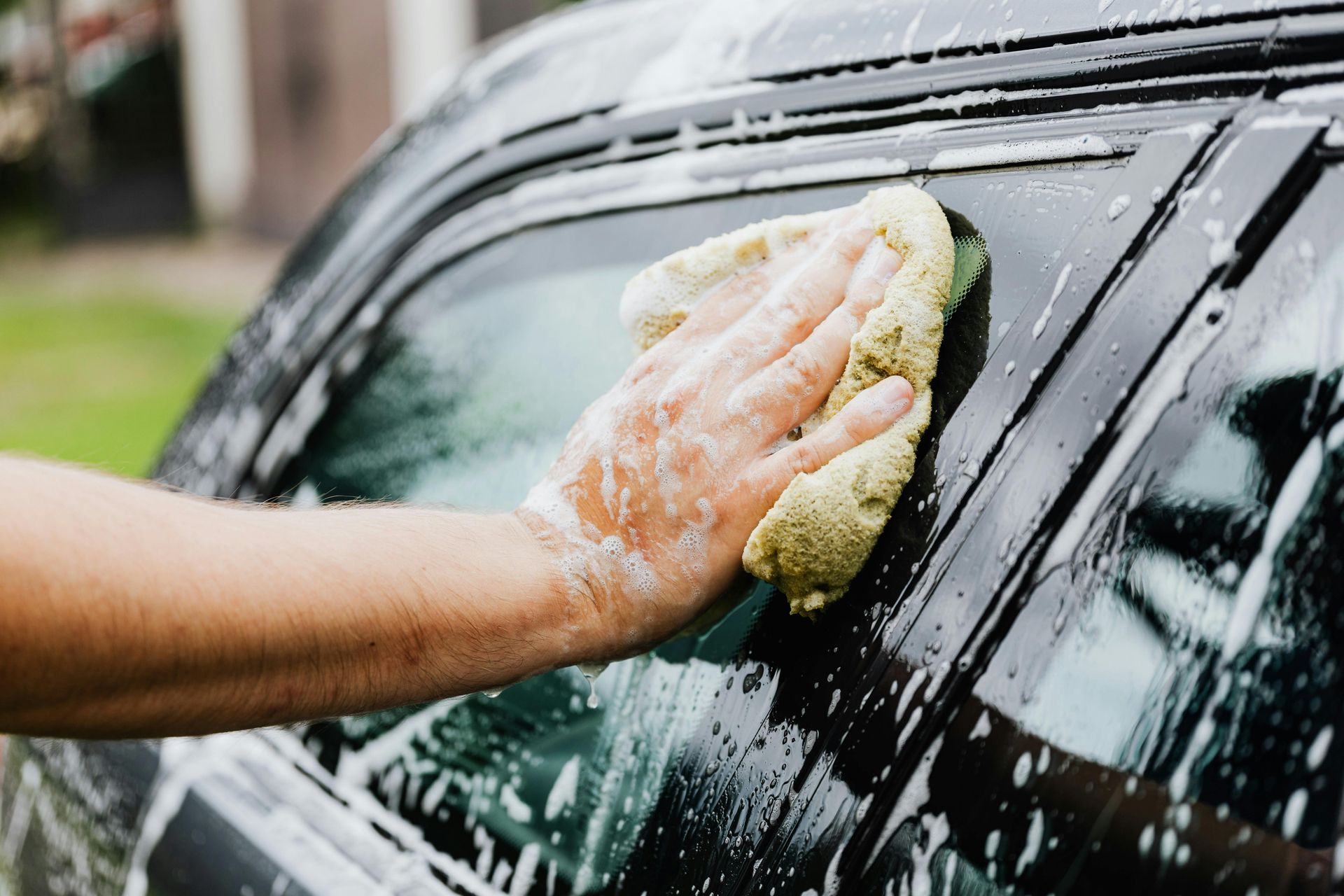

Why RV detailing in Kentwood has its own quirks
Michigan’s mix of freeze-thaw, pollen bursts, and lakeside humidity is not a friendly timeline for gelcoat, decals, or trim. In spring, tree sap and early insect swarms hit the front cap on every run to Saugatuck. Mid-season sun pounds the south side of parked rigs, drying out caulks and chalking fiberglass. Fall brings leaf tannins that spot aluminum. Winter brine migrates into step wells and underbody cavities, then reappears as ghost corrosion when temperatures rise. Good auto detailing in Kentwood has to address all of that, not just the wash-and-go surface.
Kentwood’s municipal water is mid-hard, and that shows up as mineral spotting if you rinse under sun or let panels drip-dry. If your last wash left faint dots on the windows and paint, you likely air dried too slowly or worked against high sun on a warm gelcoat. Scheduling and technique matter as much as the product label on the bottle.
Paint, gelcoat, and decals: the exterior system you’re defending
RVs are pieced together from several finishes. Motorhomes might have automotive clear coat, while many fifth wheels and travel trailers carry gelcoat or painted aluminum, plus vinyl graphics. Each has its own failure mode. Clear coat swirls under bad towels. Gelcoat oxidizes and goes chalky, which then grabs dirt faster. Vinyl graphics fade and crack from UV, then lift at the edges in the wind. A proper rv detailing setup tools for all three.
On glossy clear coat panels, paint correction in Kentwood generally starts with decontamination rather than aggressive compounding. I like a two-phase approach: an iron remover to pull out brake and rail dust, then a fine clay with generous lubricant on the leading quarters. You would be surprised how much bondable contamination hides on the front cap after a June bug run to I-96. Saving clear coat means polishing with light cut pads first and stepping up only where needed. On big body panels, heat builds fast, so work in sections about two feet by three feet and monitor surface temp with a quick palm test.
Gelcoat needs more cut and patience. The trick is to chase uniform gloss, not just the shiny patches. After washing and chemical decon, a medium compound on a wool pad will level oxidation, followed by a refining polish. Buff near vinyl graphics at low speed to avoid catching an edge. Where graphics meet gelcoat, tape lines preserve the decal while you chase clarity on the surrounding field. If a graphic is already brittle or crazed, polishing around it will not improve the graphic, it keeps the nearby gelcoat even so the eye is not drawn to a halolike mismatch.
Decals get a dedicated, mild plastic safe cleaner and, once dry, a UV dressing that leaves little or no gloss. High-shine on old vinyl looks greasy and highlights microcracks. Think satin, not mirror.
Glass, lights, and night-driving safety
If you have driven the M-6 after dusk in peak bug season, you have seen how fast visibility goes sideways. Regular windshield decon with a non-abrasive glass polish will pull out wiper chatter marks and the faint film that makes oncoming headlights bloom. Hydrophobic glass sealants are no gimmick here. At highway speeds they shed spray and reduce wiper reliance, which also stretches wiper life.
Headlight restoration in Kentwood is about more than polish and a photo op. Polycarbonate lenses oxidize from UV and abrasive washing. Sanding and compounding restore clarity, but without a proper UV-curable or 2K urethane topcoat, they haze again in months. I have re-coated lights that were “restored” in spring and looked tired by fall because the final step was skipped. If your tow vehicle is part of the road trip, do the headlight restoration with a long-wear topcoat and check aim afterward. A clear lens with a bad aim is still unsafe.
Wheels, tires, and underbody cleanup
Wheel wells are grime traps. Brake dust, tar, and salted slush collect in pockets and on suspension arms. A pre-trip detail should include a safe iron remover on wheels, targeted tar remover for fender lips, and a rinse that flushes behind liners. Tire dressings should be dry-to-the-touch and low-sling. If product flicks up the sidewall in the first 20 miles, it was over-applied. For rigs that sit, a water-based dressing helps reduce browning compared to solvent glosses.
Protecting wheels on coaches and tow vehicles with a light wheel coating in Kentwood has real value. It is not about mirror finishes, it is about cutting cleanup during the trip. Dust and road film release with less scrubbing, and you reduce the temptation to blast with harsh acids at a coin-op bay.
Interior realities before a long haul
Kentwood dust, beach sand, and pet hair find every seam on a multi-day trip. A pre-trip interior reset saves time later. Start with deep vacuuming in methodical passes, including vents and the slide toppers where crumbs and grit hide. Fabric extraction is best timed for 48 hours of dry weather, so cushions and carpet cure completely. If you only have a day, clean and agitate, then use air movers and open windows for cross-vent. Moisture left in underlayments is a musty RV waiting to happen.
Hard surfaces need a pH-balanced cleaner. Avoid ammonia on tinted windows and high-gloss cabinets. For leather or vinyl, test in a cabinet back where over-scrubbing shows. An interior coating in Kentwood for high-touch points like dinette tables, drink ledges, and the driver’s cockpit trim can add stain resistance. I have seen coffee, sunscreen, and kids’ marker smudges wipe off coated surfaces that would have ghosted into raw plastic or lacquer otherwise. Keep expectations reasonable. Interior coatings are thin sacrificial layers, not armored plates. They buy time and ease of cleaning, especially useful when you cannot do a full tidy at the campsite.
Odor management is more than fragrance. If the rig stores near damp trees or in a closed barn, consider an enzyme-based treatment where mustiness originates. Ozone can knock down odor but can also dry rubber and mellow fabrics. It is a last resort, not a routine step.
The protective layer question: wax, sealant, or ceramic
Ceramic coating in Kentwood comes up in nearly every pre-season talk. Here is the plain version. Traditional wax gives weeks of gloss and some water behavior. Polymer sealants give months. A true ceramic coating bonds and hardens, delivering stronger chemical resistance and easier washing for a year or more, often two to five depending on prep, product, and care. On RVs, the surface area is huge, the panel materials vary, and prep is the make-or-break step. The value of a coating is less elbow grease on every stop and far better bug release on the front cap.
Trade-offs exist. Coatings demand clean, corrected paint or gelcoat. They also require controlled application to avoid high spots. If you store under trees and wash rarely, even a ceramic will load up with contamination and stop beading. In that case, a hybrid approach works. Coat the front cap, mirrors, and high-impact areas and use a quality sealant on the flanks. For tow vehicles that carry the brunt of winter driving, a full-body ceramic with a wheel coating in Kentwood can pay back fastest, purely on reduced spring cleanup.
How On the Spot Mobile Detailers preps an RV for Michigan miles
On the Spot Mobile Detailers has worked a steady loop of rigs around Kentwood and greater Grand Rapids, and their mobile detailing Kentwood routine reflects lessons learned from hundreds of hours on ladders. The process starts with a softening pre-rinse and citrus foam to break traffic film. They give extra dwell time to the front cap, mirrors, and ladder rungs, then perform a two-bucket hand wash with rinse-guarded mitts. On gelcoat, they add a dedicated oxidation check after the wash by drying a small square with a clean towel. If the towel chalks white, they plan for cut and polish rather than a quick sealant.
Bug removal happens early but gently. They avoid razor scrapers on acrylic windows and prefer enzyme-based bug removers that do not stain decals. After decontamination with an iron remover and light clay where needed, they tape edges and choose correction paths panel by panel. For a Class C with painted cab and gelcoat box, the correction can split in two: a lighter pass on the automotive paint, a heavier pass on the fiberglass shell.
When it comes to protection, they do not push a single product. Some owners want ceramic coating Kentwood coverage on the full body. Others prefer a durable sealant they can boost with a spray topper at campgrounds. Interiors get a zone-based approach. High traffic entries, bath walls, and the galley face frames get special attention. Where kids or pets ride, they lean on interior coating Kentwood options for abrasion resistance, especially on textured plastics that otherwise hold grime.
Case notes from On the Spot Mobile Detailers in Kentwood
Two examples stick with me. A family with a 34-foot travel trailer stored in a side yard under maples fought sap spots every May. On the Spot Mobile Detailers decontaminated, lightly corrected, and applied a ceramic on the front half, then a sealant aft. By the Fourth of July trip, the front cap rinsed clean with a garden hose after a bug storm. The difference was most obvious at fuel stops. A microfiber and a small spray of rinse aid was all it took. The aft panels, while protected, still needed a proper wash to look their best. That targeted coating saved time where it mattered most.
The other was a Class A with severe gelcoat oxidation and faded graphics. Removing all oxidation reached a point of diminishing returns where the thinnest gelcoat threatened to burn. The team pulled back, accepted 85 to 90 percent gloss, and preserved material. They then applied a matte-friendly protectant to the graphics, which did not make them look new, but kept them from chalking further. The owner reported two seasons of easier upkeep, and the restraint up front avoided a repaint bill. Good rv detailing in Kentwood is often a judgment call like that.
Lighting, safety, and small details that add up
RV mirrors pick up fine scratches that scatter light at night. A few passes with a plastic-safe polish clears them. Side marker lenses cloud for the same reason headlamps do. If you have replaced bulbs with LEDs, check lens seals after polishing, since older gaskets can shrink and let moisture back in.
Door seals and slide gaskets benefit from a silicone-safe conditioner. It keeps them supple, and it reduces the grabby feel when slides cycle. Lube only the right surfaces. A product applied to a glide track rather than the seal face stops squeaks without encouraging dust to stick.
Caulk seams should be visually inspected after a thorough wash, not before. Dirt can look like a split. Clean first, dry thoroughly, then mark any suspect gaps with painter’s tape for rework. I have watched owners reseal three good seams because they rushed with dirty surfaces and thought dark lines were cracks.
Keeping tow vehicles honest
Many owners in Kentwood focus on the coach and forget the truck or SUV that handles every hill and nighttime merge. Car detailing in Kentwood gets more than cosmetic with a road-trip lens. Clay and protect the windshield so bugs do not smear. Thoroughly clean the bed and under-rail edges so campsite grit does not migrate into coolers and tents. Headlight restoration Kentwood steps matter most here, and a proper wheel coating Kentwood on tow vehicles pays for itself in one winter if you drive year round. Add a rubber-mat deep clean and a fabric guard to seats that see beach days. You want sand to vacuum out, not grind in.
When marine detailing Kentwood and RV detailing meet
A lot of West Michigan trips include a boat day. If you are towing a small fishing boat or pontoon with the RV, cross-pollinate care. Marine detailing Kentwood practices for gelcoat oxidation removal translate to the RV’s fiberglass. Conversely, the discipline of taping and polishing near decals on RVs informs how you approach boat striping. Store waxes and dressings separately. Many marine products are oilier to resist immersion. On RV steps and floors, those can become slip hazards.
Mobile work, timing, and working around Kentwood weather
Mobile detailing Kentwood has a simple rule: chase shade and control your water. Morning starts beat mineral spotting because panels are cool. A detailer with a deionized rinse setup buys more working time, but even with DI water, laying sealants or coatings on hot panels is a mistake. On panel temps that edge hot to the touch, products flash irregularly and can streak. For multi-day preps, day one should be wash, decon, and correction mapping. Day two, correct and protect. Interiors can float between, as long as you respect dry times.
Wind matters. A light breeze helps with drying. A gusty day dashes dust onto freshly polished surfaces. Tent-side jobs in state parks call for compact kits and mindful control of runoff. Kentwood driveways offer more freedom but mind the municipal rules for wastewater if you do driveway washes frequently.
Supply choices that actually help
I have watched more time lost to the wrong towels than any single tool. RV panels are big, and you need longer nap towels for initial wipe, short nap for leveling coatings, and glass-specific for windows. In a pinch, new bath towels can dry large panels without marring as long as the edge hems are soft. For ladders, an A-frame with stabilizers is safer on gravel pads, and a foam pad under the top rail protects gutters.
Shampoo choice affects everything. Use a wash made for coated surfaces if you have ceramic, which keeps surfactants friendly to the top layer. If you are de-greasing wheel wells or undercarriages, pull out a dedicated APC, not a double dose of shampoo, which just raises foam without adding bite.
A pragmatic pre-trip detailing checklist
- Wash and decontaminate the exterior, including roof edges, ladder rungs, and the front cap. Correct oxidation where needed, then protect with a sealant or ceramic on high-impact zones. Deep clean glass and apply a hydrophobic glass treatment to windshield and side windows. Extract or thoroughly clean interior fabrics, then protect high-touch surfaces with an interior coating. Inspect, clean, and condition seals and slides, and confirm lighting clarity and aim.
Think beyond the coach: coatings at home
Some owners build care into their home setup. Residential coating Kentwood services sometimes include sealing garage floors or RV pads. A sealed pad reduces dust that blows up onto a freshly detailed rig, and oil cleanup under a tow vehicle becomes wipe-and-go instead of soak-and-scrub. It is not mandatory, but on properties with gravel drives or tree cover, a sealed parking spot keeps the detail cleaner longer.
Paint correction and realism about depth
Paint correction Kentwood conversations can stall on the word perfection. On large RVs, you often chase refinement and balance, not a show-car mirror on every square foot. Factory orange peel, thin edges near windows, and mixed materials force judgment. If you carry bikes, kayaks, or a hitch box, focus correction on eye-level panels and the front half. Put your best hours where you and everyone else look. A good correction levels the visual plane so reflections are consistent. You will see the difference every time you walk up with a coffee in hand.
When DIY meets pro work
Plenty of owners handle routine washdowns and bug removal between legs. The handoff to a pro makes sense when oxidation creeps in, when you want a ceramic laid right, or when interior extraction after a wet week is beyond a small portable machine. On the Spot Mobile Detailers often sets up seasonal rhythms with clients: a heavy spring reset with protection, a mid-summer bug and gloss refresh, and a fall cleanup before storage. That cadence fits Kentwood’s weather and the typical family trip calendar without turning care into a chore.
On the Spot Mobile Detailers: small details that prevent big problems
One of the overlooked values in working with On the Spot Mobile Detailers is how they catch small failures before they balloon. During a wash down in a Kentwood driveway, they flagged a weeping window seam behind a ladder where an owner rarely looked. The fix was a simple reseal, done dry and clean. Left alone, it would have fed water into a cabinet over a wet season. Another time, while doing headlight restoration Kentwood on a tow vehicle, they noticed cupped front tires, likely to hum on the next 500 miles. That is not salesmanship, it is a crew that lives around these machines long enough to spot patterns.

Packing a small upkeep kit for the trip
- A pH-neutral rinseless wash, a collapsible bucket, and two plush towels for campsite wipe downs. A dedicated glass cleaner and a fresh waffle-weave towel for bugged-up windshields. A gentle bug remover safe for coated surfaces and a stack of microfiber you do not mind tossing. A spray sealant topper compatible with your base protection for quick gloss and hydrophobics. A soft brush for screens, door tracks, and slide toppers that accumulate grit.
Where the keywords meet reality in Kentwood
Auto detailing Kentwood is not a separate species from rv detailing Kentwood. The same principles carry over, with scale and material differences. Car detailing Kentwood leverages tighter panels and automotive clear coats, which often respond faster to correction. Wheel coating Kentwood makes the most difference when winter driving is part of your year. Ceramic coating Kentwood does the heavy lifting on bug-prone panels and high sun exposure. Interior coating Kentwood shines in high-traffic family rigs with pets or kids. Paint correction Kentwood is where restraint separates a preserved finish from a thin one. Marine detailing Kentwood dovetails when boats join the summer rotation. Residential coating Kentwood rv detailing Kentwood only appears in this mix because what happens under and around the rig affects how long your effort lasts.
Every one of those services exists to make travel smoother, safer, and less work at fuel stops. If you do it yourself, pick the right tools and a plan that respects Kentwood’s water, weather, and storage realities. If you lean on a pro, look for process, patience, and a willingness to explain trade-offs.
The old line is true: you cannot clean your way out of neglect. But you can set up a rig that refuses to collect grime easily, that sheds bugs and rinses clear at a campground spigot, and that greets you at dawn with clear glass and un-fogged lenses when it is time to beat traffic out of town. In a season measured by road miles and sunsets, that counts.